Polishing-buffer-speed-vs-surface-sheen
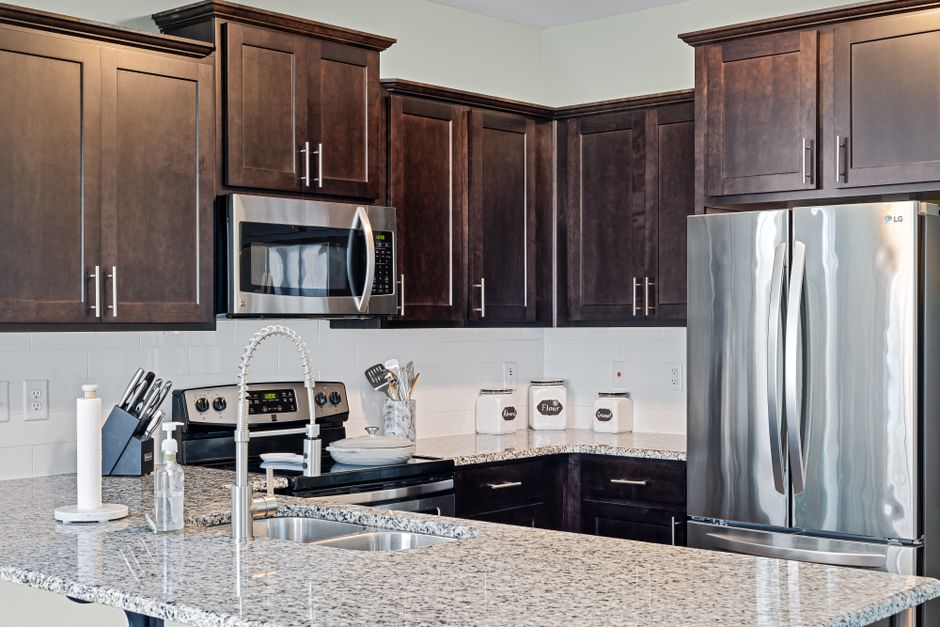
Ten minutes of excessive friction on a granite slab causes heat buildup that ruins the polish. Every teardown custom countertops rancho cucamonga book js has logged shows the same thing regarding how high RPMs alter the surface of a worktop in Rancho Cucamonga, CA.
The Physics of Buffer RPM
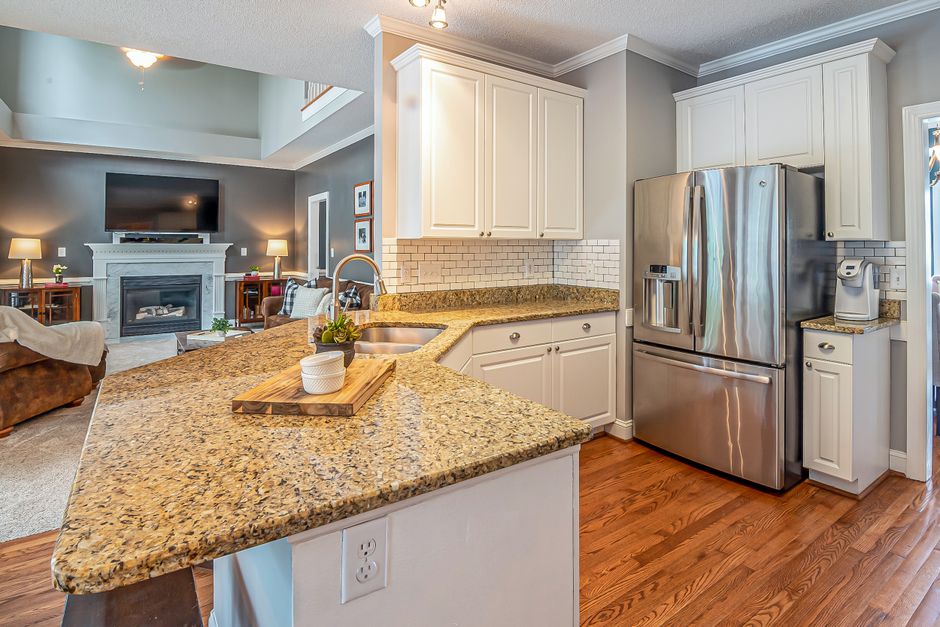
High speed rotation creates heat. A buffer running at 1500 RPM produces a different light refraction than one running at 600 RPM. On a dense quartz material, high speeds accelerate the removal of scratches but risk leaving swirl marks. The friction must stay consistent across the entire slab. If the speed fluctuates, the sheen becomes blotchy. A steady hand keeps the RPM within the specific range required for the grit being used. Heat is the enemy of a mirror finish. Too much heat causes the resin in the polishing pads to melt into the stone, creating a cloudy layer that requires more grinding to fix.
Balancing Speed and Sheen on Quartz
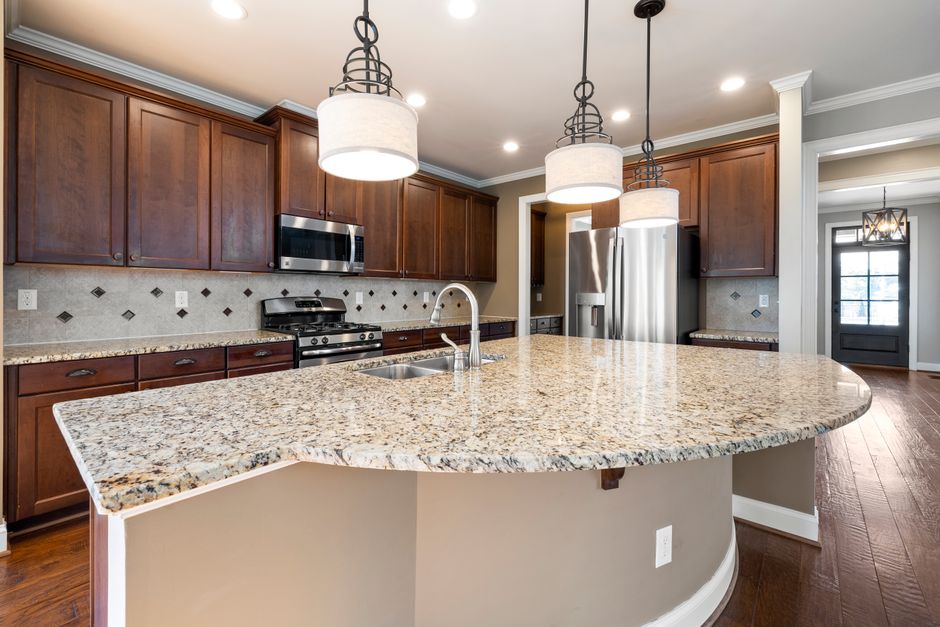
Quartz requires a controlled approach because the resin content responds to heat. A moderate RPM provides the best results for achieving a high gloss. If the speed is too high, the surface looks shiny but lacks depth. A lower speed with higher pressure often yields a more uniform reflection. This is especially true near a sink cutout where the stone is thinner. The vibration from a high speed buffer can telegraph through the material and affect the finish around the perimeter of the opening.
Managing Granite and Quartzite Grain
Granite has a varied mineral structure. Some sections of a granite slab are harder than others. Using a single RPM across the whole surface often leads to uneven results. A faster speed might polish the softer minerals but fail to hit the harder flecks. Quartzite presents a similar challenge due to its hardness. The buffer must move constantly to prevent localized overheating. A slow, methodical pass at a mid range RPM ensures the sheen remains consistent from the edge profile to the center of the piece.
Edge Profile and Light Refraction
The way light hits a bullnose or an eased edge changes based on the polish speed. A high speed polish on an edge can sometimes create a "halo" effect where the edge looks brighter than the flat surface. This happens because the angle of the pad changes at the corner. Maintaining a consistent sheen requires adjusting the pressure as the buffer transitions from the flat plane to the vertical edge. A waterfall edge demands even more precision because the visible surface area is larger and more prone to light catching imperfections.
Final Inspection of the Surface
A finished slab should show no signs of heat discoloration. Light must reflect in straight, unbroken lines across the granite. Any wobbles in the reflection indicate that the RPM was inconsistent or the pressure was uneven. Testing the sheen on a small remnant before attacking the main slab is a standard practice. This confirms the balance between buffer speed and the specific density of the stone.