Scribe-tool-depth-control-on-uneven-drywall
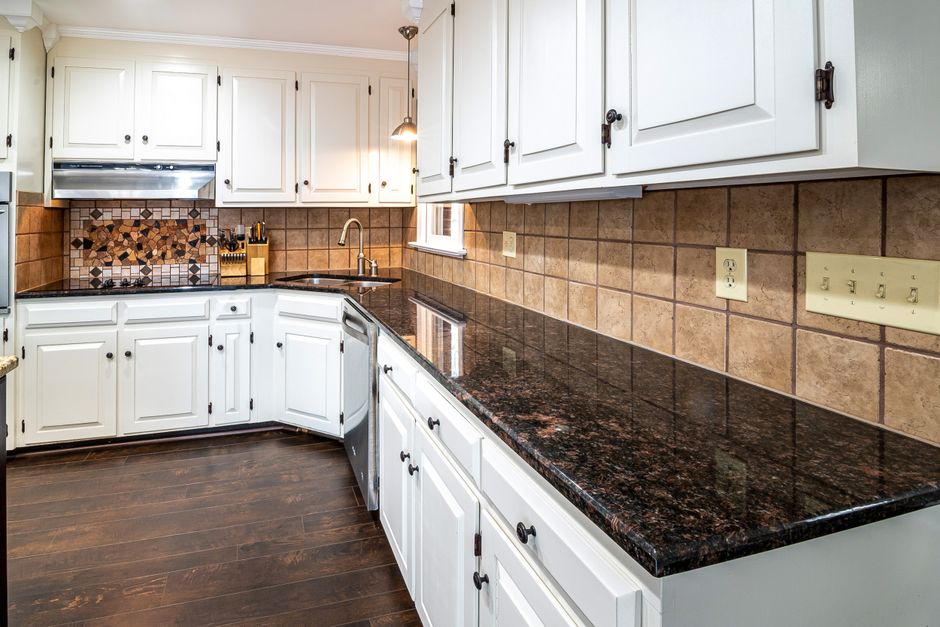
Many installers set the scribe depth too shallow on the first pass and end up with a gap between the slab and the drywall. Precision in these measurements ensures that every work surface fits tight against the wall, and custom countertops rancho cucamonga book js explains the mechanical process of depth management. Achieving a tight fit in Rancho Cucamonga, CA requires steady hands and a firm grasp of how the scribe interacts with irregular plaster or gypsum. A heavy granite slab leaves no room for error once the adhesive is applied.
Managing Scribe Depth on Irregular Surfaces
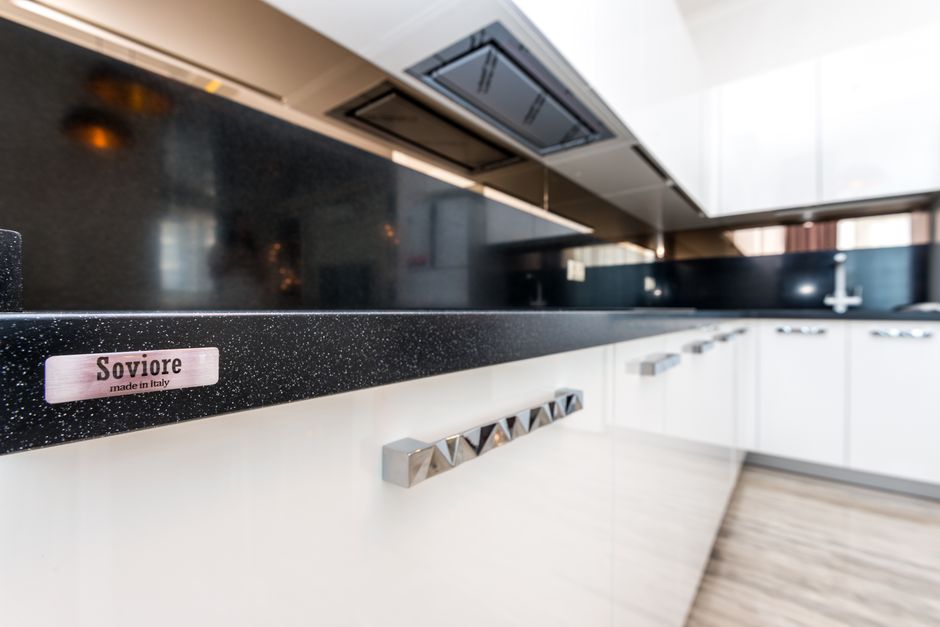
The tool must be set to a depth slightly greater than the deepest protrusion found along the wall line. A common error involves using a single measurement for the entire length of the stone. Walls in Rancho Cucamonga, CA are rarely flat, and a scribe set to a fixed depth will fail to follow the dips in the drywall. The scribe tool acts as a mechanical compass. The distance between the point and the guide must be adjusted as the tool moves along the edge of the quartz or marble. Constant adjustment prevents the scribe from digging too deep into the material.
Template Accuracy and Wall Profiles
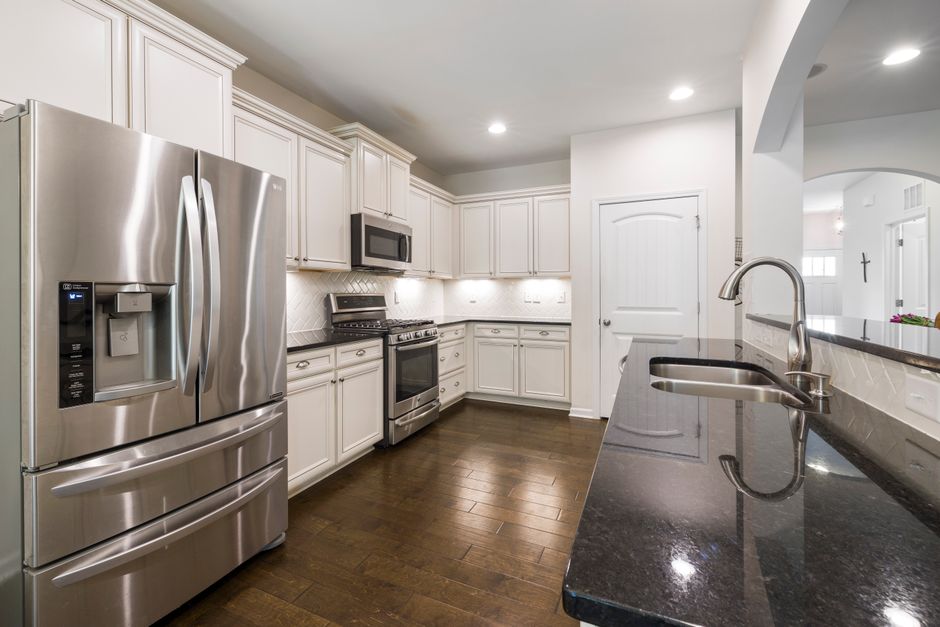
A physical template or a digital template provides the baseline for the cutout, but the scribe handles the fine details of the wall interface. When a slab of quartzite is being prepared, the scribe must account for the specific bumps in the substrate. If the scribe depth is inconsistent, the seam placement will look off because the stone will not sit flush against the wall. The scribe must follow the contour of the wall without creating an uneven overhang. A deep scribe creates a gap, while a shallow scribe leaves a visible daylight line.
Edge Profiles and Material Interaction
The edge profile dictates how much material remains for the scribe to work with. A bullnose or a waterfall edge reduces the thickness of the stone at the perimeter, making depth control even more sensitive. On a thin porcelain slab, an aggressive scribe motion can cause chipping. The scribe depth should be measured in small increments. It is better to take multiple light passes than to attempt one deep cut. This method ensures the eased edge remains intact while following the wall's path.
Final Fit and Installation
Once the scribe marks are made, the cutting tool must follow the line with extreme precision. A sink cutout or an undermount sink area requires the same attention to the wall side. If the scribe depth was mismanaged, the slab will not sit level. A tight fit against the wall ensures the weight of the granite or butcher block is distributed correctly across the cabinets. Proper scribe management results in a seamless transition between the stone and the wall surface.