Template-material-rigidity-assessment

Precision measurements demand rigid substrates. Often, a flimsy template warps mid-process. This lack of stability leads to errors in the sink cutout and misaligned seam placement, and custom countertops rancho cucamonga book js notes these mechanical failures frequently. Selecting a work surface that holds its shape in the heat of Rancho Cucamonga, CA is the primary concern during the templating phase.
MDF vs. Phenolic Plywood in Field Conditions
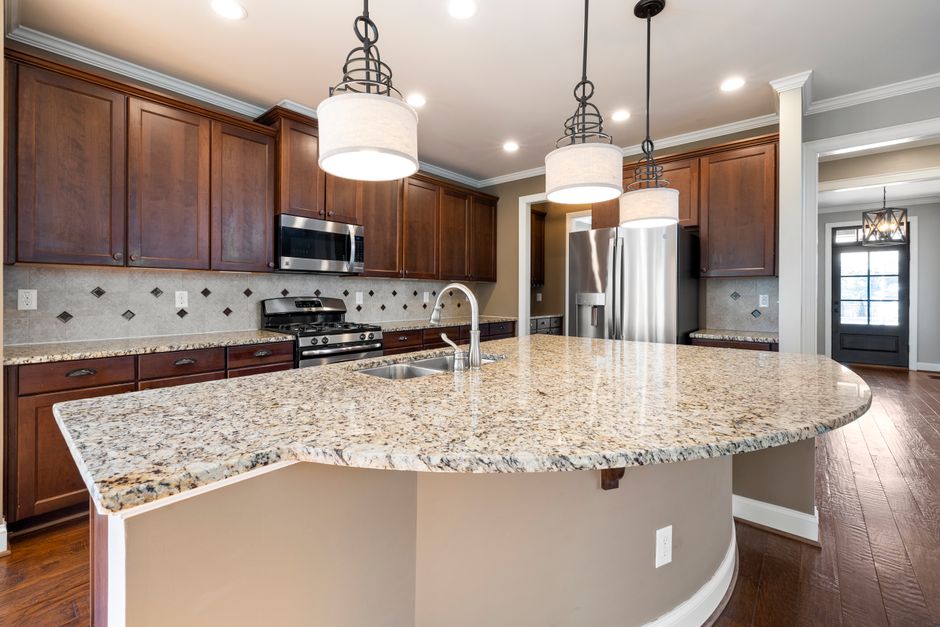
MDF offers a smooth surface for tracing a slab, but it lacks structural memory. Once a cut is made, the material tends to sag under its own weight. A large template made of MDF will bow, causing a mismatch when the granite is being fitted. Phenolic plywood provides much higher density and resists bending. It maintains the geometry of the edge profile through the entire measurement cycle. Using phenolic plywood ensures that the dimensions for a waterfall edge remain consistent from the initial trace to the final install.
The Impact of Moisture and Heat
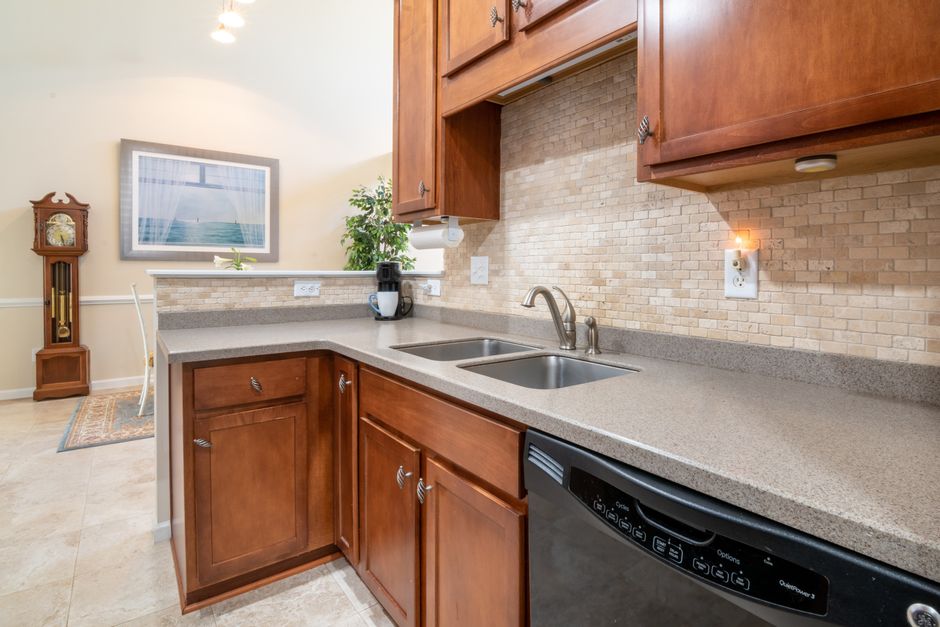
Ambient humidity in Rancho Cucamonga, CA changes the expansion rates of organic materials. MDF absorbs moisture quickly, which leads to swelling. This swelling alters the accuracy of a digital template or a physical cutout. Phenolic plywood uses specialized resins to seal the wood fibers. This makes the material nearly impervious to the slight moisture shifts that occur near a sink cutout. A stable template prevents a scenario where a marble or quartz piece arrives with a gap at the seam.
Mechanical Stability for Heavy Slabs
Heavy materials like quartzite or thick butcher block require a rigid base for any physical tracing. If the template flexes, the measurement for an undermount sink will be incorrect. A sagging template creates a false reading of the cabinet geometry. Phenolic plywood handles the weight of the tools used during templating without deformation. This rigidity is necessary to capture the exact location of an overhang or a specific eased edge.
Final Accuracy Verification
A successful install depends on the substrate used during the initial phase. Using a remnant of plywood to patch a template is a mistake. The thickness must match the original tool settings. If the template is not flat, the seam placement will fail during the final assembly of the stone. Choosing phenolic plywood over MDF prevents the warping that ruins the alignment of a porcelain or soapstone installation.