Slab-thermal-expansion-joint-placement
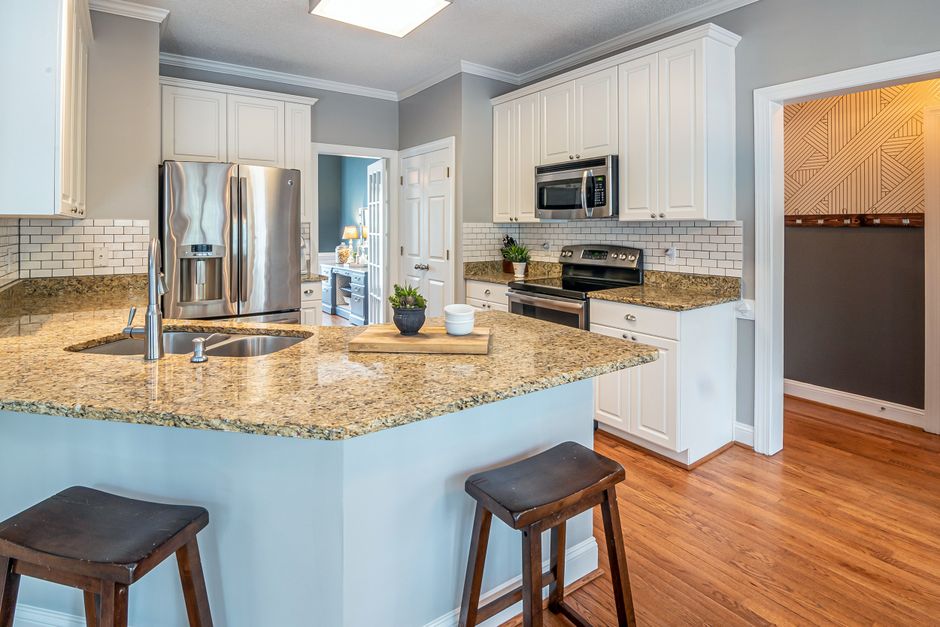
In high heat, the expansion math changes. Calculations regarding the movement of a granite slab are documented within the archives of custom countertops rancho cucamonga book js to ensure the stone does not buckle. A single work surface installed in Rancho Cucamonga, CA requires specific spacing to manage the thermal shift between desert summer peaks and cool winter nights.
Thermal Expansion Coefficients in Stone
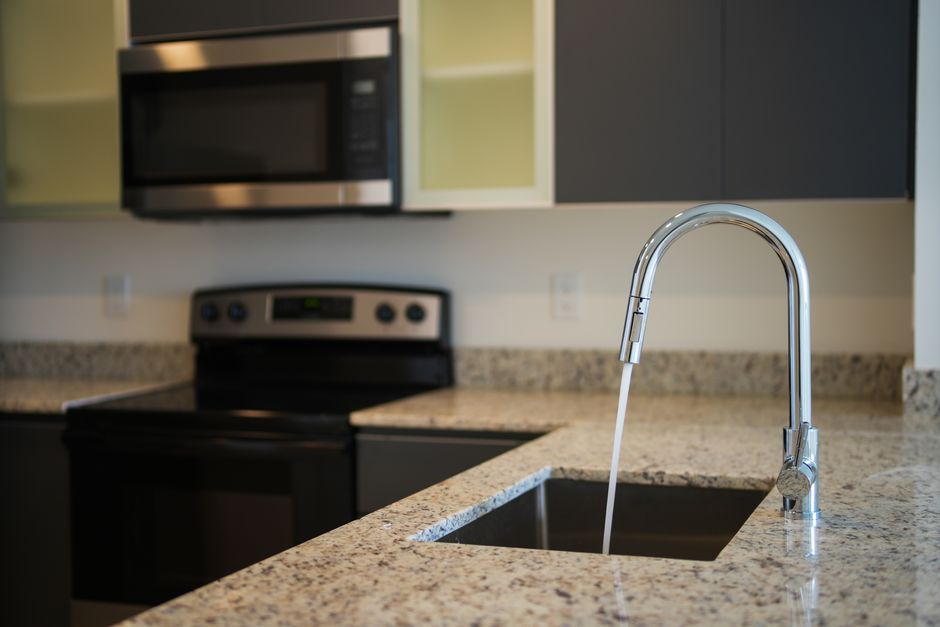
Materials like quartz and granite react differently to the ambient temperature swings found in the Inland Empire. A slab of quartzite expands at a different rate than a dense marble piece. If the gap between segments is too tight, the pressure from thermal growth forces the stone against the cabinetry or the wall. This tension causes cracks near a sink cutout or a seam. Using a digital template allows for precise measurements of the substrate, but the math must account for the coefficient of linear thermal expansion. A gap of one sixteenth of an inch is often insufficient for long runs of stone in this climate.
Seam Placement and Joint Integrity
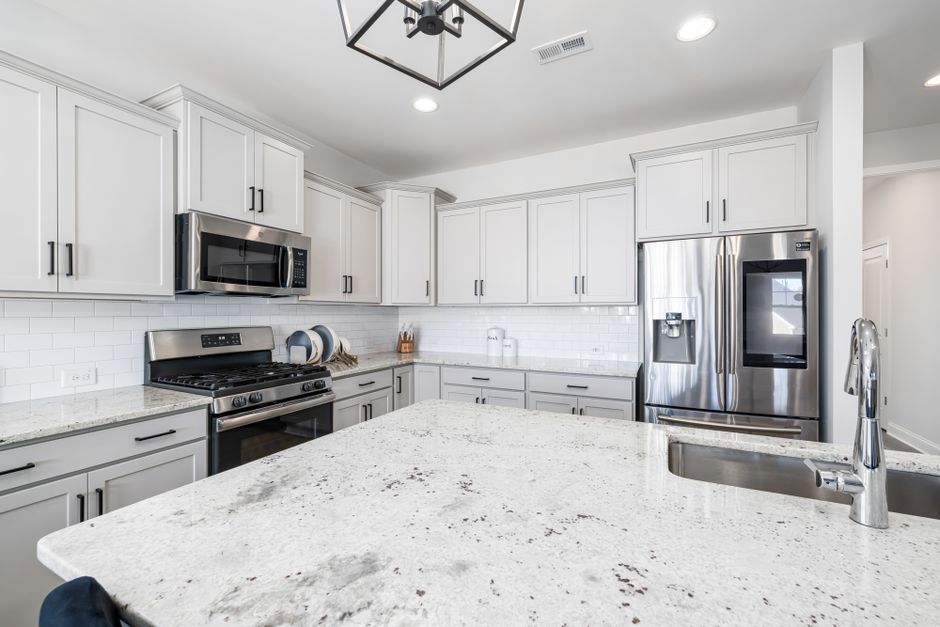
The location of a seam dictates how much movement the installation can absorb. Placing a seam near an undermount sink or a heavy cutout reduces the risk of stress fractures. A seam placement that bisects a large granite piece provides a natural break for expansion. If the stone is joined too rigidly, the movement of the house or the heat of the sun will crack the epoxy bond. A small gap filled with color matched silicone allows for micro movements that a hard epoxy bond would reject.
Calculating Gaps for Long Runs
Long runs of porcelain or quartz require calculated breaks. In Rancho Cucamonga, CA, the temperature delta can exceed fifty degrees in a single day. A continuous run of stone without a break acts as a single heavy mass. This mass exerts massive force on the edge profile or the countertop support. Spacing segments with a slight expansion gap ensures the slab stays flat. A butcher block installation requires different spacing than a stone installation, as wood moves with moisture while stone moves with heat.
Substrate Interaction and Support
The cabinet base must be level to prevent uneven pressure on a slab. Uneven support causes a stone to bow, which accelerates thermal stress. A waterfall edge requires perfect alignment of the vertical and horizontal planes to prevent the seam from opening under heat. If the overhang is too large, the weight of the stone increases the risk of the slab shifting during temperature spikes. Proper support prevents the stone from rotating or tilting, which keeps the expansion gaps consistent across the entire installation.